Core Strategies or What We Do

Yggdrasil works with individuals whose desires are to preserve land and access to land in perpetuity for biodynamic, organic, and sustainable farming.  Yggdrasil works to accomplish its mission through integrating three core strategies.

Preservation

Yggdrasil aims to preserve farmland through acquisition and donation of land and conservation easements as well as to provide educational resources and workshops on preservation methods.

Yggdrasil utilizes diverse Preservation Methods to protect sustainable agricultural lands.  If you are interested in having Yggdrasil own and steward your land in perpetuity you can choose to sell outright or donate, and we will locate a long-term farm steward to care for the land.  If you would like to keep the land in private ownership, but preserve its conservation values you can choose to sell or donate a conservation easement.  Funding for purchasing land or conservation easements must be cultivated and raised to provide fair market value compensation.  Landowners can assist this process by making outright or partial donations of land or conservation easements.

Donations of land and conservation easements can qualify as tax deductible charitable gifts, because Yggdrasil is a qualified 501 (c)(3) charitable organization.

Land Acquisition

Fair market sale of land to a Land Trust (or government agency) is based on current land values determined by a professional appraiser.  Acquisition of land by land trusts is challenging as they must solicit funds through private or public sources.  Land location and its farm and natural area attributes help determine a project’s viability in relation to fundraising.  YLF uses specific Project Selection Criteria to determine priority projects. 

Landowners can be surprised after the sale when they realize that their profit has decreased considerably due to capital gains taxes on the property’s appreciated value since the original purchase, and due to realtor’s commission costs.   Landowner’s are advised to explore a Bargain Sale to lessen tax burdens. 

Donation
An outright donation of land to a land trust is perhaps the greatest gift one can leave.  Landowners that are in a position to donate land are relieved of responsibility of managing and caring for the land, and entrust that a land trust will be its future guardian.  The full market value of the land donation acts as a charitable gift, which can provide substantial income tax deductions as well as estate tax benefits.   Capital gains taxes are avoided as the land was not sold.

Bargain Sale
In a bargain sale, you sell your land to a land trust for less than fair market value. This not only makes it more affordable for the land trust, but offers several benefits to you: it provides cash, avoids some capital gains tax, and entitles you to a charitable income tax deduction based on the difference between the land’s fair market value and its sale price.

Conservation Easements Acquisition

The most commonly used tool for conserving private land is a Conservation Easement (also known as a voluntary preservation agreement).  It is a legal agreement between a willing landowner and a land trust (or government agency) that permanently limits uses of the land in order to protect its conservation values such as its natural, cultural, scenic, or agricultural values.  Conservation Easements allow landowners to continue to own, use their land, and sell or pass it on to heirs.  In addition, future owners are bound by the terms of the agreement as it is recorded and attached to the title of the land.

Purchasing Conservation Easements (development rights) to preserve farms and natural areas is more challenging than simply accepting gifts of Conservation Easements.  These challenges include, limited funding through local, state or federal funding programs and limited private dollars to match these funding programs.  The governmental funding programs are commonly known as Purchase of Development Rights (PDR) programs or Purchase of Agricultural Conservation Easement (PACE) programs.  Currently, the federal Farm & Ranchlands Protection Program (FRPP) provides 50% matching funding grants to land trusts for purchasing development rights.  Land Trusts must match the remaining 50%.  Some states, counties and townships also provide funding for PDR programs, where a 50% match is also required.

Determining the Conservation Easement Value
Conservation Easement values vary greatly, and the highest values typically result from very restrictive Conservation Easements on tracts of developable land.  Land with greater development pressure often lends itself to greater values.   A professional appraiser, qualified to equate Conservation Easement values, is contracted and determines the fair market value of the land based on local cost, income and/or comparable sales approaches.  The easement value is the difference between the property’s appraised value before the easement is granted and its value after the easement’s restrictions are placed on the property.

The landowner is compensated for the fair market value of the Conservation Easement, (values can range from 50%-80% of the entire land value depending on the land’s attributes and local zoning).  In addition, the landowner can sell the land for its remaining value in the future knowing that they will receive full compensation for the land over time.  They then are assured their land is preserved for future generations.

Because the land has technically depreciated in value, the capital gains tax will be less when sold.  Heirs to land protected by Conservation Easements will also face less estate tax and new landowners buying the land for its conservation values can more readily afford it. The above mentioned tax burdens can be so large that the heirs must sell the property to pay the taxes.  A Conservation Easement can reduce estate taxes because the donation of the easement reduces the value of the property. An easement can also be donated in a will, and then deducted from the taxable estate.

Flexibility
Conservation Easements offer great flexibility. An easement on property containing wildlife habitat and natural areas may prohibit future development and subdividing, whereas an easement on agricultural land may allow continued sustainable farming and support additional farm-related structures.  An easement may apply to all or a portion of the property, and need not require public access.  Limited Development concepts can also be drafted into an easement agreement, which may provide landowners with financial options for their family and/or a future residence for their hiers.

Monitoring and Enforcement of Conservation Easements
A land trust is obligated to insure that the terms of the Conservation Easement are being met by current and future landowners.   Regular annual visits and reports insure that the land is being cared for based on the agreement.  Because this perpetual obligation, takes time and resources a Stewardship Endowment is established through donations and fundraising to serve the long-term needs of the organization and the land.

Donation
A donation of a Conservation Easement to a land trust can be the most cost effective way in which a land trust can assist landowners in preserving their land, while keeping it in private ownership. This type of donation qualifies as a tax-deductible, charitable gift because it is being donating to a qualified charitable organization designed to hold land or Conservation Easements under Section 170(h)(3) of the Internal Revenue Code of 1986.  The Conservation Easement value is determined by the same appraisal process as stated earlier in Determining the Conservation Easement Value.

Qualifying For A Tax Deduction
If the donation benefits the public by permanently protecting conservation resources, and meets other federal tax code requirements, (http://www.landtrustalliance.org/policy/taxincentives/fed-tax-regs/rules-regulations/) it can qualify as a tax-deductible charitable donation.  Landowners who donate a Conservation Easement may experience savings through tax benefits.  In fact, tax incentives have encouraged many landowners to make conservation gifts.  For instance, a landowner who donates a Conservation Easement may qualify for federal and state income tax deductions equal to the value of the easement.  Also, inheritors of family lands protected by Conservation Easements may also see a reduced federal estate tax.

NOTE: The 2008 federal Farm Bill includes an extension, through 2009, of tax incentive legislation for conservation easement donations.  The bill provides significant tax incentives to landowners that desire to donate a conservation easement.  The bill does the following:

  • Raises the maximum deduction a donor can take for donating a Conservation Easement from 30% of their adjusted gross income (AGI) in any year to 50%;
  • Allows qualifying farmers and ranchers to deduct up to 100% of their AGI; and
  • Extends the carry-forward period for a donor to take tax deductions for the value of the Conservation Easement from 5 to 15 years.

Go to Land Trust Alliance website for their tax brochure for further details, including frequently asked questions about Conservation Easements- http://www.landtrustalliance.org/policy/documents/tax-brochure.pdf/view?searchterm=None

Reducing Estate and Capital Gains Taxes
Conservation Easement can be essential for passing land on to the next generation. By removing the land’s development potential, the easement typically lowers the property’s market value, which in turn lowers potential estate and capital gains taxes. Whether the easement is donated during one’s life or by will, it can make a critical difference in a family’s heirs’ ability to keep the land intact.  Estate tax is one of the main reasons why farms are sold as the heirs to the farm cannot pay this tax.  If the land is eventually sold on the market, the capital gains tax may also be reduced, due to the reduction in value by the conservation easement.

Limited Development

A limited development strategy can be incorporated into a Conservation Easement when conservation of an entire property is not feasible.  It allows developing a portion of the property to finance preservation of the remainder.  This future developable area can be parceled off and excluded from the easement or incorporated into the easement if the landowner desires this future option, but does not necessarily want to act on it in the immediate future or within their lifetime.  This strategy works nice to accommodate a homesite for future heirs to the land.  A site inventory and concept plan are necessary elements of this strategy to ensure that development is consistent with, and complimentary to, the land’s conservation features.  When used with a Conservation Easement, this technique can effectively protect natural resources.

Land Transfers

Generally, land trusts retain ownership of property that is acquired or donated as permanent conservation land.  However, transfer of property to a suitable owner, such as other non-profit organization or government agency is another viable preservation tool.  In addition, preserved land could be sold to a private owner, subject to a Conservation Easement held by the land trust. (Proceeds from such a sale could fund the land trust’s long-term monitoring and enforcement obligations of the Conservation Easement and/or help it to protect even more land.)

Resale of Land

If you need to sell your land, but don’t want to see it destroyed by development, a land trust can help. Prior to the sale, you can work with the land trust to place a Conservation Easement on the land before it goes on the market. Some land trusts can also help identify potential buyers for conserved lands.

Conservation Buyers

Land preserved by Conservation Easements and held in private ownership restrict activities that negatively affect the conservation values and purposes of the agreement.  Future buyers, therefore need to understand and agree to the terms of the agreement.  Land trusts can assist easement landowners in finding suitable buyers that will respect and care for the land in accordance with the agreement.

Remainder Interest/Reserved Life Estate

A remainder interest is the donation of land, while allowing the landowner (or any other named person) to continue to live on the property during their lifetimes (called a “reserved life estate”).  When the landowner or those specified die or release their life interests, the Land Trust will have full title and control over the property. This approach can allow you to continue to enjoy the land, but because the deed is transferred during your lifetime, you gain assurance that the Land Trust has accepted your land for protection.  A gift of a remainder interest may entitle the landowner to an income tax deduction when the gift is made.  A potential disadvantage of this option is that there could be estate tax liability if the life tenant is someone other than the donor.  Also, if the tenant is young the tax deductions may be quite small.

Charitable Remainder Trust/Donation with a Lifetime Income

If you have land you would like to protect by donating it to a land trust, but you need to receive income during your lifetime, consider a charitable gift annuity or a charitable remainder trust. Charitable gift annuities and charitable remainder trusts are most useful for highly appreciated land, the sale of which would incur high capital gains tax.  A charitable remainder trust is not in itself a land conservation technique, but it can be combined with a conservation easement and limited development strategy to protect land and aid financial planning.  A charitable remainder trust involves the donation of property by a landowner to a trust created by the landowner.  The trust sells some of the land for development and donates a portion to be protected. The sales proceeds are invested to generate income.  A specified beneficiary, receives an annual payment, typically between 5-10%, based on the value of the property. Upon the passing of the beneficiary or expiration of the trust terms, the remaining funds in the trust are turned over to a charitable organization.

Land Access

Yggdrasil provides access to farmland for beginner and generational farmers through long-term lease opportunities on Yggdrasil’s lands, promotion of long-term leases on private lands and through tax advantages established by utilizing conservation easements.

Long-term lease agreements on Yggdrasil lands

Yggdrasil provides long-term lease tenure to family’s, organizations and CSA groups.  Unique lease agreements are designed to meet the needs of the land, its lessees and our organization.  Providing families and communities access to farmland through long-term lease tenure has been the preservation model that Yggdrasil has practiced since its inception.  It has worked with Equity Trust, Turners Falls, Massachusetts (link to www.equitytrust.org) and others to design long-term lease agreements that incorporate the needs of the farm and the farm’s family or community group.

Each property has a unique individuality from its ecological features and geology to its design, lessee, and preservation story. These unique qualities of place are taken into account when designing long-term lease relationships. 

Long-term lease agreements on private lands

Yggdrasil also promotes the implementation of long-term agreements with farms and landowners on private lands as a means to establish long-term security for farmers that typical lease year to year.  These agreements serve as an interim way of preserving land for agriculture, and could lead to more formal preservation methods down the road.

Farm to Farmer match promotion

Yggdrasil works with BFGA and MFAI and others to find long-term farm stewards/lessees for its future protected lands.  If you are interested in leasing land from Yggdrasil please contact us for availability.

Land Renewal/Stewardship

Yggdrasil promotes the conservation and renewal of land through the promotion and implementation of farm and natural resource plans designed in partnership with Michael Fields Agricultural Institute and other experts.

Yggdrasil Lands

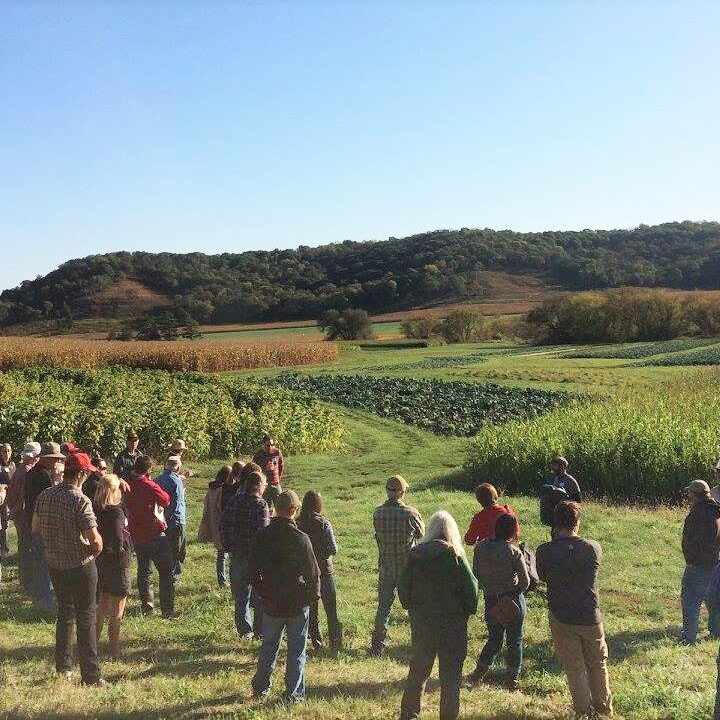
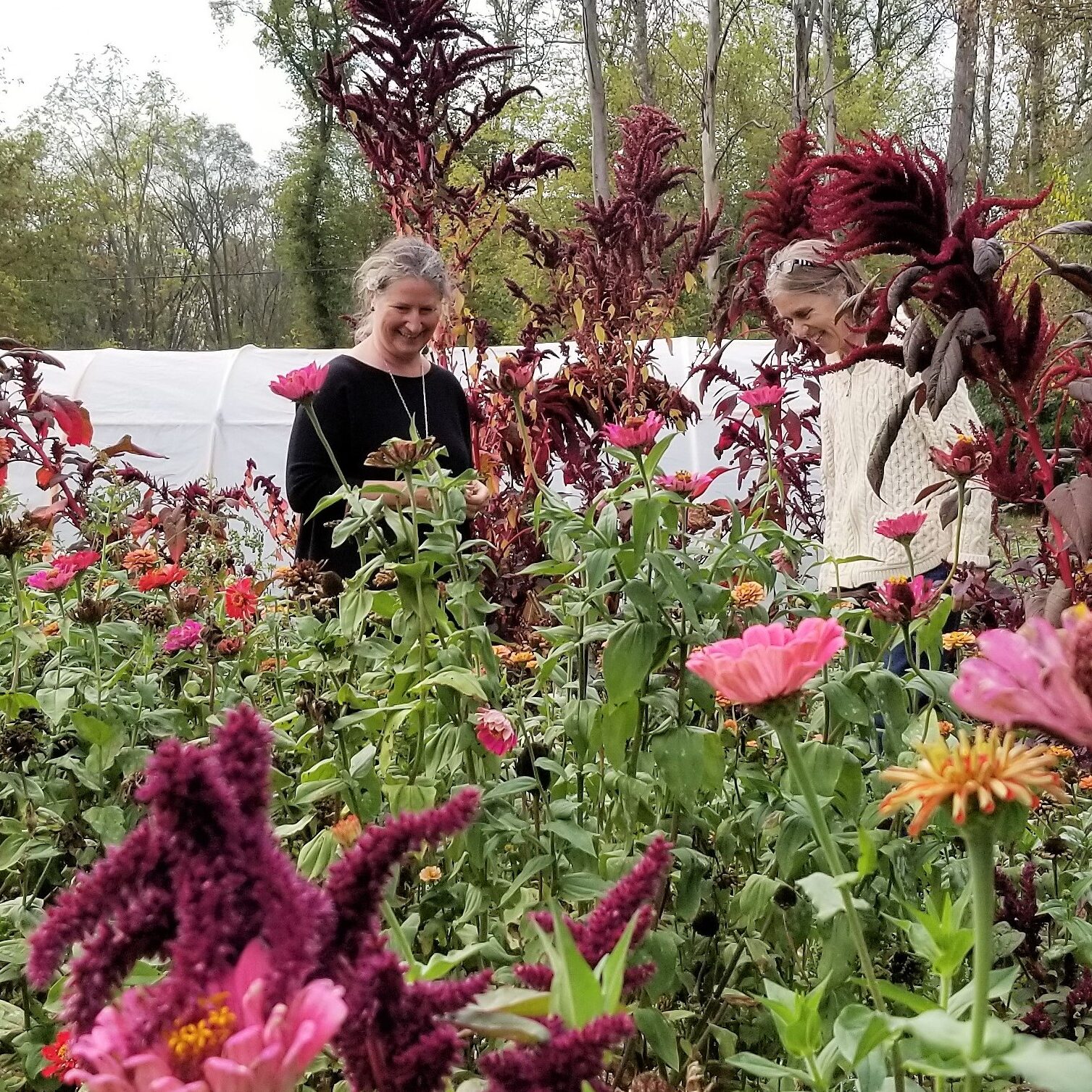
Yggdrasil lands are managed as biodynamic and organic farms under the diligent care of long-term farmers or farm communities.  Farming with kindred agricultural practices manifests wellness of a farm’s ecological features, which in turn promotes the quality of life of all biological communities.  Yggdrasil works with its lessees to insure that proper care is given to the land’s farm and natural resource components.

Private Lands

Yggdrasil also promotes the implementation of farm and natural resource plans on unprotected lands.  As not all landowners wish to formally preserve their land, this method serves as an avenue for conventional farms to transition towards more kindred agricultural practices, which in affect begins to preserve the ecological well-being of land  There are also many programs, including state and federal tax credit programs that can enhance one’s property without having to choose formal preservation.  Combining preservation with conservation, however, can provide landowners with a sense of mind that there land will be forever preserved, while at the same time actively participating in its ecological health. 

Promotion of existing resources

  1. Yggdrasil promotes biodynamic and organic farming practices through educational resources, certifications, and trainings provided by BFGA, MFAI and others.

  2. Yggdrasil promotes federal conservation incentive programs for landowners provided in the federal 2008 Farm Bill.  For more information on these extensive programs go to (www.farmland.org/programs/farm-bill/analysis/conservationpolicy.asp and http://agriculture.house.gov/inside/Legislation/110/FB/Conf/Title_II_fs.pdf)